
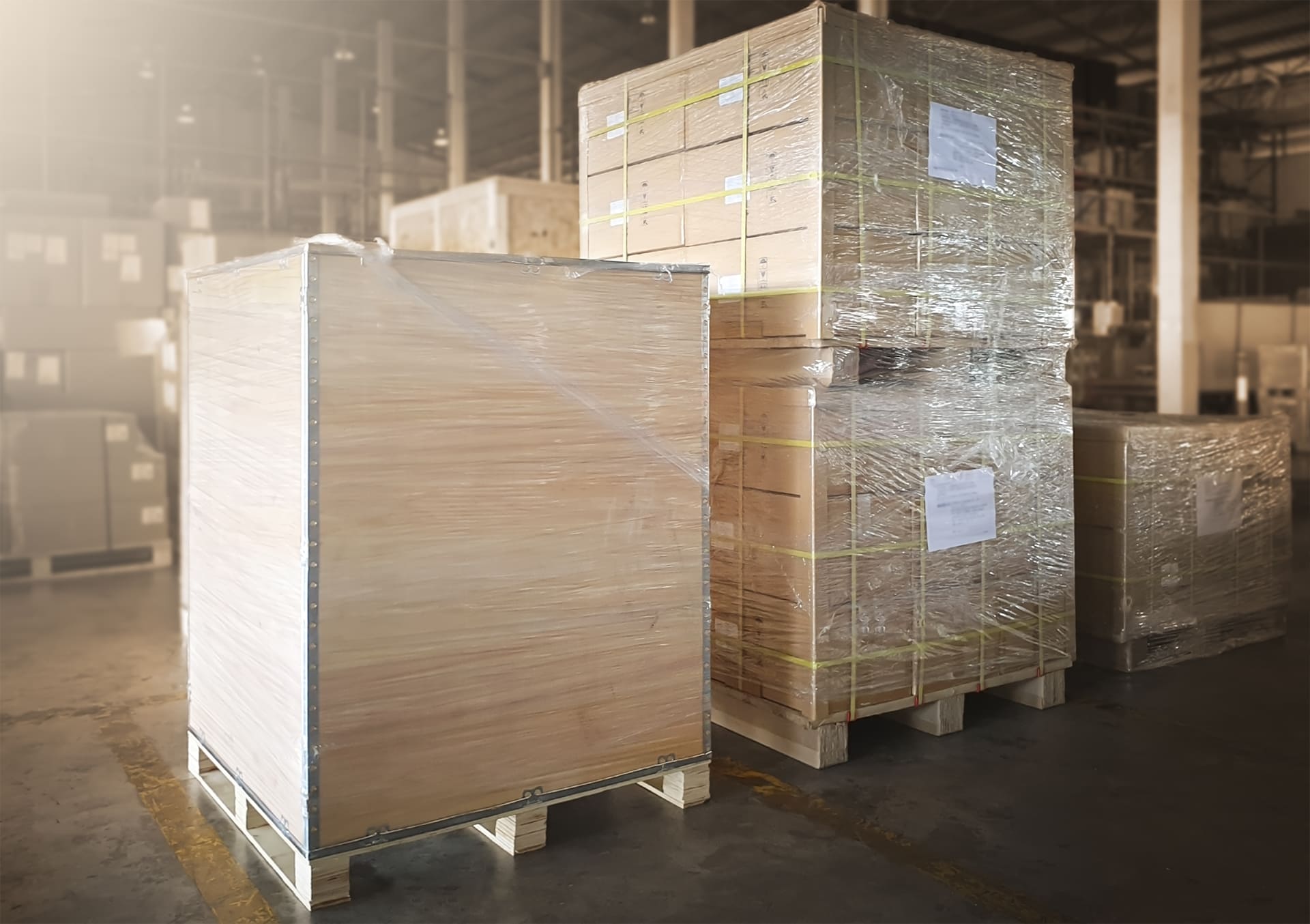
Shipping art is a delicate and time-consuming process that needs to be done with great care, attention to detail, and the right tools to make sure that everything gets to its destination in perfect condition. Whether you are shipping priceless paintings, delicate antiques, fragile furniture, or another valuable item, following industry-recommended best practices for packaging and protection is absolutely vital. Knowing how to pack and protect your valuable artwork for travel will help you prevent its loss, damage, or degradation.
Successful export of art depends on several important actions in inventory management and preparation: choosing packing materials, temperature-controlled storage, use of suitable packaging techniques, and delivery plans. Following these guidelines can help you significantly reduce the risks associated with transporting delicate or valuable artwork.
1. Controlling Inventory and Preparation
Prior to beginning the packing process, it is advisable to maintain your inventory in an organized and controlled manner. Good inventory management ensures responsibility and reduces the likelihood of missing or damaged goods on route. To begin, please create a comprehensive inventory list that includes every item you plan to ship. Note the measurements, condition, description, and any distinguishing marks or signatures of every piece. It is also highly recommended to photograph each object from multiple perspectives.
Making this exhaustive inventory serves multiple purposes:
- Provides a clear point of reference should something go wrong throughout the shipping process.
- Makes insurance claims easier in the event of damage or loss.
- Ensures accountability when working with outside shipping companies or art handlers.
Effective inventory management ensures nothing is missing and everything is accounted for.
2. Choosing the Right Packaging Supplies
Protecting your artwork en route depends on choosing the right packing materials. The sort and quality of the materials you choose could significantly affect the success of your shipping. When handling priceless works of art, museum-quality materials are the best ones available.
Common resources to consider:
- Foam padding: Serves as a soft yet supportive cushion between the artwork and external pressures. Sealing off areas in boxes or cartons greatly helps prevent movement during transportation.
- Bubble wrap: Perfect for layering cushioning around framed paintings, antiques, or smaller items. Apply additional layers for further protection.
- Acid-free paper: Over time, common paper’s chemicals could degrade or damage artwork. Always wrap delicate or sensitive objects in paper devoid of acid to prevent discoloration or damage.
- Crates: Purchasing bespoke crates is a wise decision for really valuable or delicate objects. Crates designed expressly for your artwork offer outstanding defence against vibrations, crashes, and other transport-related hazards.
Selecting the right materials ensures the protection of each element from potential harm. Using the right materials is important to avoid accidents that cost a lot of money when moving sculptures, paintings on canvas, antiques, or old furniture.
3. Temperature-Controlled Storage
Variations in temperature and humidity can significantly impact artwork. Harsh conditions can cause major damage like warping, cracking, fading, or mildew development. Temperature-controlled storage is particularly beneficial for books, fabrics, oil paints, and old wood furniture.
While shipping or storing artwork, maintaining a consistent climate with controlled humidity and temperature is vital. We recommend the following temperature range for most artworks:
- Temperature: Generally, most artwork works best at 18–22°C (65–72°F).
- Humidity: Constant humidity of around 50% is absolutely necessary to prevent warping or cracking.
Storage facilities with climate control systems are particularly encouraged when preparing artwork for travel. Poor storage conditions could compromise the integrity of your items before they ever leave your home.
4. Packing Techniques
Using effective packing techniques is crucial for providing the best possible protection for your artwork. The chance of damage occurring during handling and transit is reduced when the proper protocols are followed. Here are some proven strategies:
- Before packing any item in a crate or box, wrap each piece separately using bubble wrap and acid-free paper. This step helps to prevent abrasions, scratches, and inadvertent impact damage.
- Shield the edges of framed artwork, books, or photos with corner guards. These guards provide additional help and prevent breakage or chipping of stop frames in transit.
- After wrapping, gently place every item inside a box or crate. Fill up any voids with foam cushioning to reduce shifting or sliding during travel. Verify that the work of art is secure and tightly bound.
- Clearly mark the containers; precise labelling is fundamental for both inventory management and handling rules. On every box, place careful labels with contact information, particular handling directions, and content descriptions.
5. Delivery and Pick-Up
Arranging for the safe collection and transportation of your artwork is also critical. One should always engage a reliable concierge service with expertise in art logistics. Expert art handlers have the knowledge, tools, and abilities required to ensure the safe movement of your work.
Consider offering services with:
- Door-to-door collection and delivery: By reducing the frequency of handling your items, this service reduces the possibility of damage.
- High-Value Storage: Those who specialize in fine art management will be aware of the actions to be taken to maintain your art in a good state.
- Local Knowledge of Art Logistics: Call us if you live in Cape Town or another city with a thriving artistic community! Along with our sister company Aspiring Couriers, Art Central specializes in this.
6. Documentation and Coverage
Safely shipping artwork depends on having the right paperwork and insurance coverage in place. To protect your money, pay for full shipping insurance. This insurance should cover loss, theft, and damage associated with transportation.
Ensure all necessary documents are in order:
- Inventory listings with pictures, measurements, and descriptions.
- Insurance certificates clearly identifying the areas of coverage.
7. Last Checks
Before initiating the shipping process, review your inventory and packing one final time. Double-check the labels, verify that all documentation is complete, and ensure your parts are securely packed. These extra steps help ensure a flawless, damage-free delivery.
Knowing that you have taken all necessary precautions to protect your valuable objects, you may confidently move artwork. Maintaining the integrity and beauty of your work while it is in transit calls for careful planning and attention to detail. Hence, get in touch with Art Central! We collaborated with Aspiring Couriers to move what moves you!